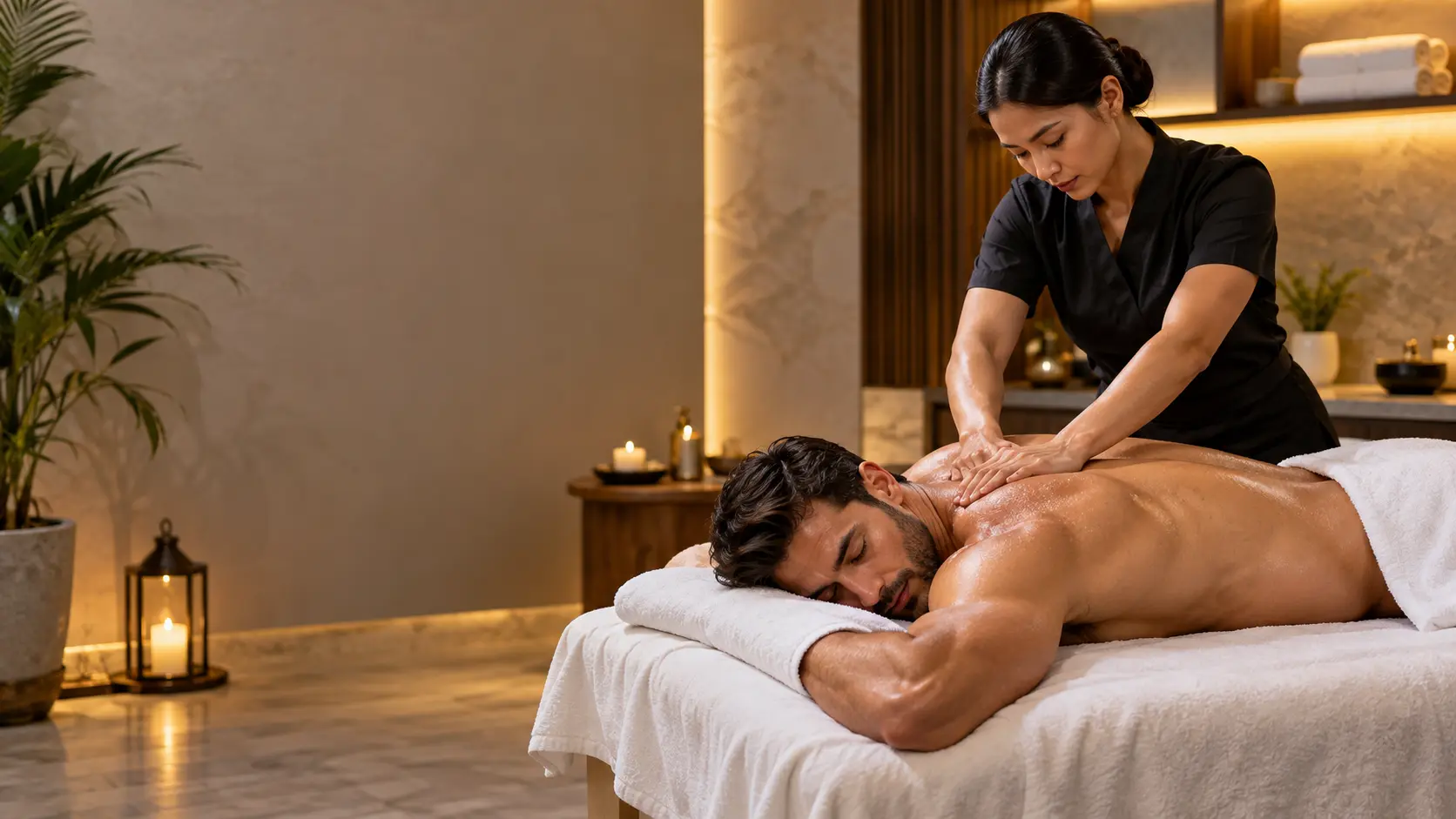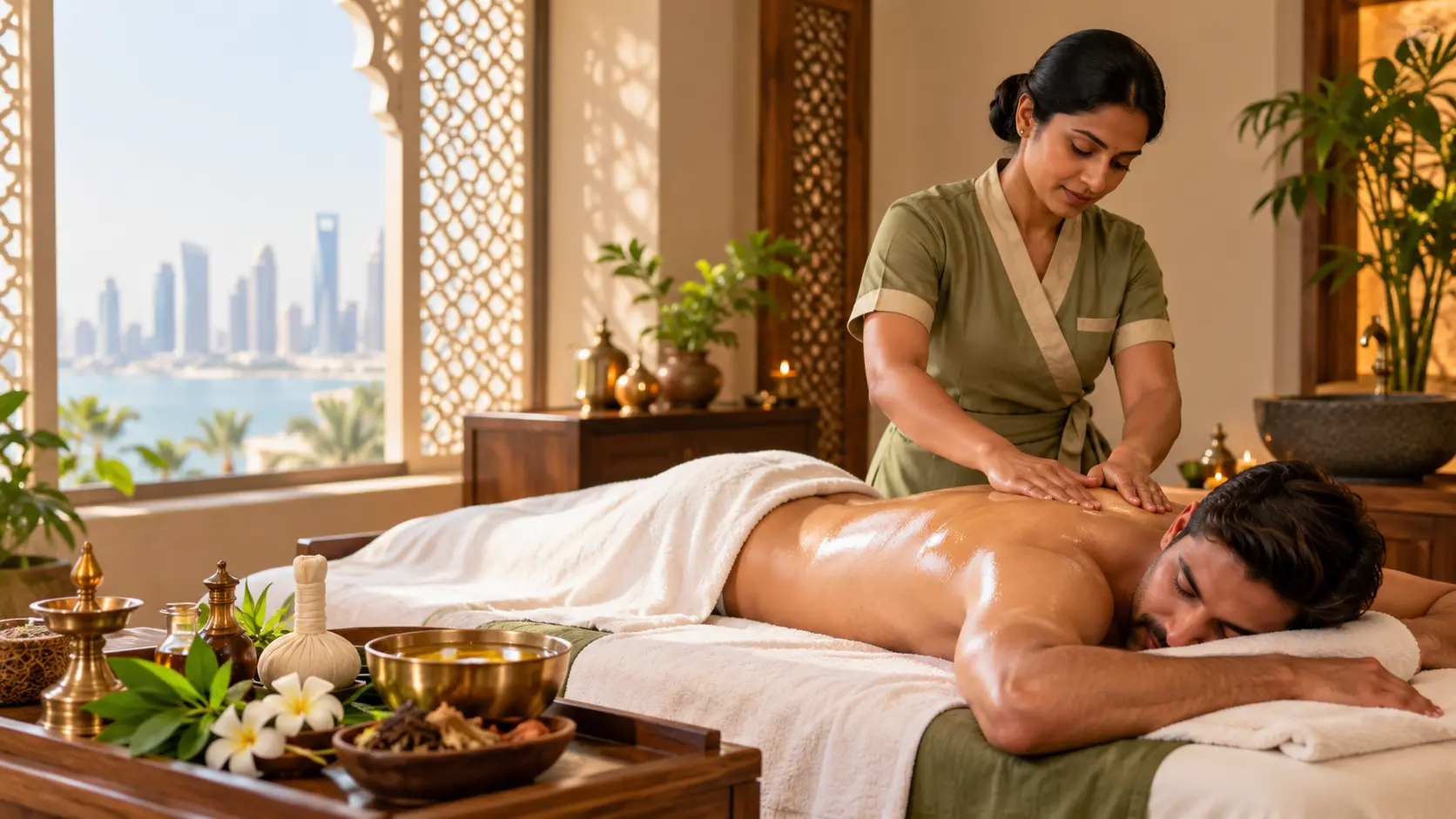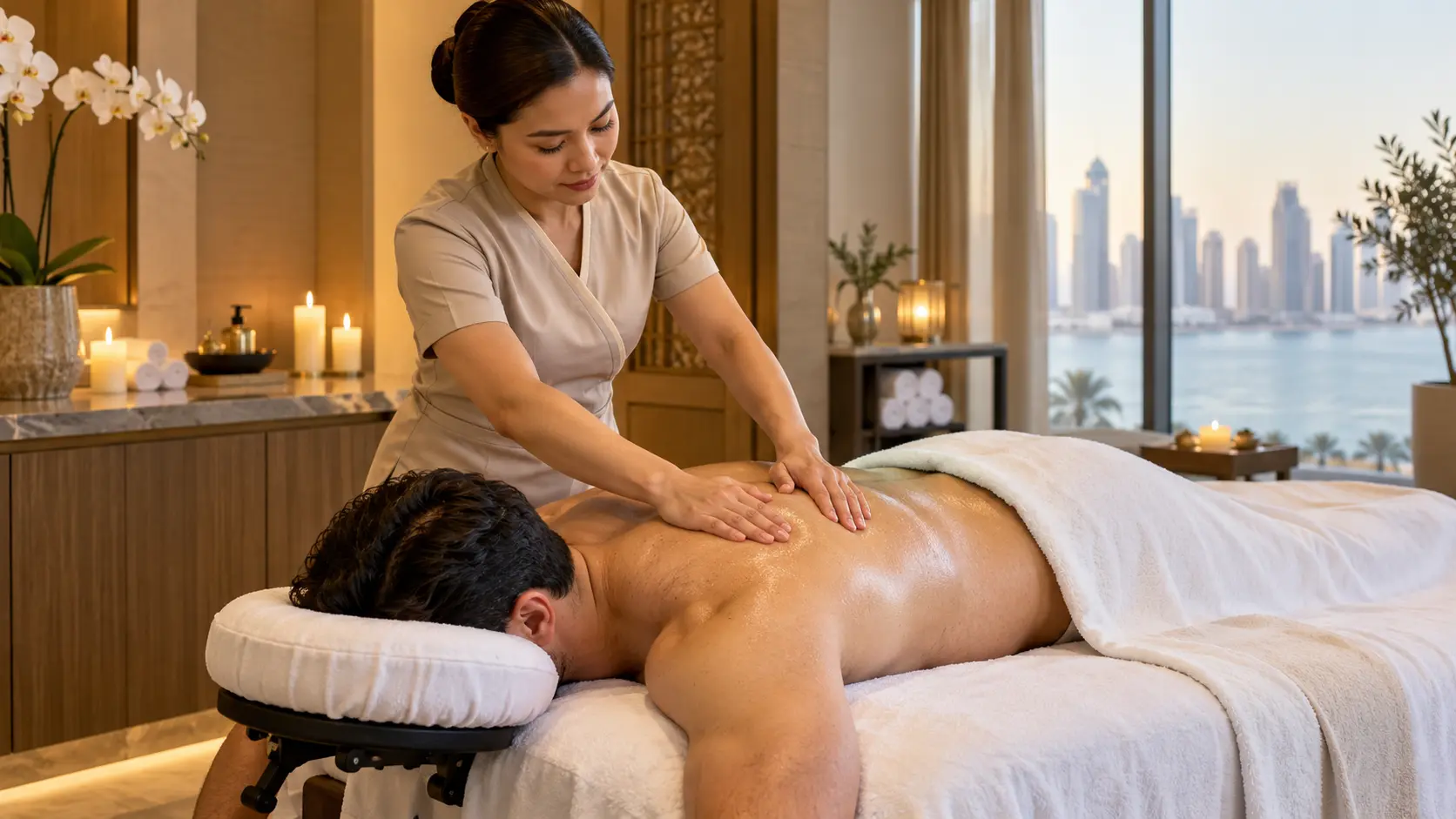
A full body massage can be a relaxing way to take a break from a busy routine, ease everyday muscle tension and make time for personal wellness. Whether you spend long hours at a desk, work on your feet, exercise regularly or simply want to unwind, massage may become a useful part of your self-care routine.
However, one common question comes up before booking: How often should you get a full body massage? Is once a week enough? Should you book a session every two weeks, or is once a month more practical?
The answer depends on your lifestyle, personal comfort, massage goals, health condition and the type of massage you choose. There is no single frequency that works for everyone. Some people prefer an occasional session for relaxation, while others may discuss a more regular schedule with a qualified healthcare professional or massage therapist for a specific concern.
If you are considering a Full Body Massage in Doha, understanding the recommended considerations can help you choose a schedule that suits your needs without overdoing it. This guide explains how frequently you may consider massage, what affects your ideal schedule, what to expect from a session and when you should seek medical advice before booking.
How Often Should You Get a Full Body Massage?
For general relaxation and everyday wellness, some people find that a full body massage every three to four weeks fits comfortably into their routine. Others prefer a session every two weeks, while people who only want an occasional break may book less frequently.
These are practical scheduling examples, not medical recommendations or fixed clinical guidelines. Research has not established one ideal massage frequency for every healthy adult.
Your ideal schedule should depend on why you want a massage:
For relaxation: An occasional session or a massage every three to four weeks may suit your routine.
For everyday muscle tension: You may prefer a session every two to four weeks, depending on how your body responds.
For an active lifestyle: Your massage schedule may depend on your training intensity, recovery needs and the type of massage selected.
For a specific pain concern: Speak with a healthcare professional before deciding on frequency. A treatment plan may require a different approach.
For occasional self-care: Book when you feel you would benefit from time to relax, provided massage is appropriate for your health.
The most important point is that more frequent massage is not automatically better. A suitable session should leave you comfortable, not excessively sore or uncomfortable.
What Is a Full Body Massage?
A full body massage is a treatment that involves working on multiple areas of the body using massage techniques such as gentle strokes, kneading and controlled pressure. Depending on the selected style and your preferences, a session may include the back, shoulders, neck, arms, hands, legs and feet.
The exact areas covered can vary between spas and treatment packages. A full body massage does not necessarily mean every part of the body is massaged. Sensitive areas are generally excluded, and clients can request that specific areas be avoided.
The pressure and techniques may also differ. A gentle relaxation-focused session is not the same as a firm-pressure or deep tissue massage.
Before your appointment, discuss your preferences with the therapist so the session can be adjusted to your comfort level.
Recommended Massage Frequency Based on Your Lifestyle
Your daily routine can influence how often you choose to book a massage. Consider the following examples when planning your schedule.
1. If You Have a Busy Work Schedule
Long working hours, extended computer use and limited movement can contribute to stiffness around the neck, shoulders and back. People who spend much of their day sitting may find relaxation-focused massage sessions helpful as part of a broader self-care routine.
Possible schedule: Every three to four weeks for general relaxation, adjusted according to your comfort and preferences.
However, massage should not replace regular movement, stretching, suitable workstation adjustments or medical care for persistent pain. Taking short movement breaks throughout the day can also help reduce the effects of prolonged sitting.
2. If You Exercise Regularly
People who participate in gym workouts, running, cycling or other physical activities may experience temporary muscle tightness and fatigue.
A massage may help some people feel more relaxed and comfortable after exercise. However, the appropriate technique and timing depend on workout intensity, recovery status and individual needs.
Possible schedule: Occasional sessions based on training demands and personal preference. If you are following a demanding training programme or recovering from an injury, seek guidance from a qualified professional.
Avoid intense massage over an acute injury, significant swelling or an area that is unusually painful without medical advice.
3. If You Experience Everyday Muscle Tension
Muscle tension can develop from repetitive movements, long periods of standing, physical work or an inactive routine.
Some people choose regular massage sessions to relax tight muscles. The frequency should depend on how you feel after each appointment and whether the discomfort continues.
Possible schedule: Every two to four weeks may be a practical starting point for some people seeking general relaxation. Persistent or worsening pain needs proper assessment rather than simply increasing massage frequency.
4. If Your Main Goal Is Relaxation
You do not need to wait until your muscles feel uncomfortable to book a massage. Some people enjoy massage as an occasional wellness activity that gives them time away from everyday responsibilities.
A calm environment and comfortable massage techniques may help create a relaxing experience.
Possible schedule: Once a month, every few weeks or whenever it fits your personal routine.
There is no requirement to book weekly sessions to enjoy a relaxation-focused massage.
5. If You Are Experiencing Ongoing Pain
Persistent back pain, neck pain, joint discomfort or unexplained muscle pain should not automatically be treated with frequent massage appointments.
Massage therapy has been studied for different types of pain, but the evidence and potential benefits vary depending on the condition. It is not a substitute for diagnosis or medical treatment.
Possible schedule: Ask your healthcare professional whether massage is appropriate and whether a particular technique or treatment schedule is suitable.
How Often Should You Get a Full Body Massage for Relaxation?
For people whose main reason for booking is relaxation, consistency matters less than comfort and personal preference.
A monthly session may be enough for someone who wants an occasional break from a demanding routine. Another person may prefer a session every two weeks because it fits their lifestyle and budget.
You can use these questions to decide whether your current schedule is suitable:
Do you feel comfortable after the session?
Does the massage fit your personal wellness routine?
Are you experiencing soreness that lasts longer than expected?
Are you booking because you enjoy the experience or because you are trying to manage unexplained pain?
Is the frequency practical for your time and budget?
If you regularly feel bruised, excessively sore or uncomfortable after massage, the pressure may be too intense or the treatment may not be suitable. Discuss this with the therapist and consider medical advice if symptoms persist.
Factors That Affect How Often You Should Get a Massage
There is no universal massage schedule because several factors can influence how often a session may be appropriate.
1. Your Personal Goals
Start by identifying why you want a massage. Relaxation, general wellness, temporary muscle tension and support alongside a healthcare treatment are different goals.
Your reason for booking should guide the type of massage and the frequency you consider.
2. Massage Pressure and Technique
Not all massage treatments use the same level of pressure.
Swedish massage: Typically uses flowing strokes and kneading, often chosen for relaxation.
Deep tissue massage: Uses more focused and often firmer pressure to work on deeper layers of muscle and connective tissue.
Aromatherapy massage: Combines massage techniques with selected aromatic oils.
Sports massage: Uses techniques selected around an individual's sporting activity and physical demands.
A gentle massage and an intensive deep tissue session should not automatically follow the same schedule. More vigorous techniques may carry additional risks for some individuals.
3. Your Physical Activity
Your work and exercise routine can influence muscle fatigue and tension. Someone who regularly performs physically demanding tasks may have different preferences from someone with a mostly sedentary lifestyle.
However, physical activity alone does not determine how frequently you need a massage. Recovery, rest, hydration, movement and appropriate exercise planning also matter.
4. Your Health History
Your health history is one of the most important considerations when deciding whether to book a massage.
Certain medical conditions, medications and recent injuries may require modifications or make particular massage techniques unsuitable. If you have a chronic health condition or take medication that affects bleeding or clotting, consult your healthcare professional before booking.
5. Your Response After Each Session
Pay attention to how your body responds.
A comfortable massage should not require you to tolerate severe pain. Mild temporary soreness can occur after some treatments, especially firmer techniques, but persistent or significant discomfort should not be ignored.
Tell your therapist if the pressure feels too strong, and ask for adjustments whenever necessary.
6. Your Time and Budget
A regular wellness routine should be practical. You should not feel pressured to book more sessions than you can comfortably afford or fit into your schedule.
Choose a frequency that supports your personal goals while leaving room for other important aspects of wellbeing.
What Are the Potential Benefits of Regular Full Body Massage?
Massage therapy involves manipulating soft tissues, including muscles and other structures. It has been studied for several wellness and health-related purposes, although the strength of evidence varies by condition.
Potential benefits may include:
1. Relaxation and Stress Management
A quiet treatment environment, comfortable positioning and gentle massage movements can create an opportunity to relax.
Some people find that taking time away from work and everyday responsibilities helps them feel calmer. However, massage should not be presented as a treatment for mental health conditions.
2. Temporary Relief from Muscle Tension
Massage may help some people experience short-term relief from muscle tightness and discomfort.
The result can depend on the massage technique, the cause of the tension and the individual's health. Massage does not correct every underlying cause of muscle pain.
3. A More Comfortable Body Experience
People who spend long hours sitting or standing may appreciate the opportunity to relax their shoulders, back and legs.
A massage can be one part of a broader routine that also includes regular movement, appropriate exercise and adequate rest.
4. Time for Personal Wellness
Regular self-care does not always require complicated routines. For some people, booking a professional massage is simply a way to set aside time for themselves.
The value of a session may come from the overall experience, including comfort, privacy, a peaceful environment and professional care.
5. Short-Term Support for Certain Pain Conditions
Some research suggests massage may offer short-term benefits for certain types of pain, including some neck, shoulder and lower-back complaints. However, results vary, and massage is not a replacement for medical assessment or evidence-based treatment.
Is It Safe to Get a Full Body Massage Every Week?
A weekly massage is not automatically unsafe for every healthy adult, but it is not necessary for everyone either. There is no universal medical rule that says everyone should receive a massage once a week.
The suitability of weekly sessions depends on factors such as:
The massage technique and pressure used
Your health history
Whether you experience soreness after treatment
Any injury or medical condition
Medicines that may affect bleeding or bruising
Advice from your healthcare professional, when relevant
Repeated firm-pressure sessions may not be appropriate for everyone. If you are considering weekly massage, discuss your goals and health history with a qualified therapist and seek medical advice when needed.
Do not increase the frequency simply because you believe more sessions will produce faster results.
When Should You Avoid or Postpone a Full Body Massage?
Although massage is generally considered low risk when performed appropriately, it is not suitable in every situation.
You should seek medical advice before booking if you:
Take anticoagulants or other medication that affects blood clotting
Have a history of blood clots or a diagnosed bleeding disorder
Have recently undergone surgery
Have a recent injury, fracture or significant swelling
Have severe osteoporosis or fragile bones
Have an active skin infection, open wound or burn
Have unexplained pain, fever or other concerning symptoms
Are pregnant and unsure which massage techniques are appropriate
Have a serious or unstable medical condition
Avoid massage over an area with suspected deep vein thrombosis. Sudden swelling, warmth, redness or pain in one leg needs urgent medical assessment, not massage.
If you experience chest pain, sudden shortness of breath or other emergency symptoms, seek emergency medical care.
A massage therapist should ask about relevant health information before beginning a session. Be honest about your medical history and medications, and do not withhold information because you are concerned it may affect your booking.
How to Choose the Right Full Body Massage in Doha
When searching for a Full Body Massage Doha, do not choose a spa based only on price or promotional offers. The quality of the experience, hygiene standards, communication and suitability of the treatment are important considerations.
Here are some practical points to check before booking.
Check the Treatment Details
Ask what areas are included, how long the session lasts and which massage techniques are used. A clear explanation helps you understand what you are booking.
Discuss Your Pressure Preference
Some people prefer gentle pressure, while others are comfortable with a firmer massage. A professional therapist should listen to your preference and adjust the treatment where appropriate.
Look for Hygiene and Professional Standards
A clean treatment room, fresh towels, appropriate equipment and professional conduct are essential parts of a spa experience.
Communicate Your Health Concerns
Inform the spa about relevant medical conditions, injuries, allergies and medications before your appointment. If you are unsure whether massage is suitable, consult your healthcare professional first.
Choose a Convenient Location
If you live or work in Doha, consider travel time and appointment availability. A convenient location can make occasional wellness appointments easier to plan.
What to Expect During a Full Body Massage Session
If this is your first full body massage, knowing what happens during the appointment can help you feel more prepared.
Step 1: Consultation Before the Massage
The therapist should discuss your preferences, areas of tension, pressure level and any relevant health concerns.
You can also explain which areas you do not want included in the treatment.
Step 2: Preparing for the Session
You will be shown the treatment room and given instructions about getting comfortable. You should be provided with appropriate covering and privacy.
Only the areas being worked on should be uncovered, and you should feel comfortable throughout the appointment.
Step 3: The Massage Treatment
Depending on the selected treatment, the therapist may use smooth strokes, gentle kneading and other suitable techniques across the agreed areas.
You should never feel pressured to tolerate uncomfortable pressure. Communicate immediately if you experience pain, discomfort or any concern.
Step 4: After the Session
Take your time getting up from the massage table. Drink water according to your normal hydration needs and allow yourself time to relax.
If you experience unusual pain, significant bruising or symptoms that concern you, seek medical advice.
Why Choose Angel Touch Body Massage & Spa in Doha?
Choosing a spa should involve more than selecting a treatment name. You should feel comfortable asking questions, communicating your preferences and understanding what the session includes.
Angel Touch Body Massage & Spa provides a spa setting in Najma, Doha, for clients looking to explore massage and relaxation services.
If you are considering a full body massage, contact the spa to confirm current treatment details, available appointment times, session duration and pricing before booking. You can also discuss your preferred pressure level and any areas you would like the therapist to avoid.
Whether you are planning an occasional wellness appointment or looking for a relaxing break from your routine, choose a treatment that suits your comfort and health needs.
To learn more about the service, visit the Full Body Massage page or contact Angel Touch Body Massage & Spa to enquire about availability.
Practical Tips for Getting the Most from Your Massage
A few simple steps can help you prepare for a comfortable appointment.
Eat lightly before your session: Avoid arriving immediately after a heavy meal.
Arrive on time: Give yourself a few minutes to settle in and discuss your preferences.
Communicate clearly: Tell your therapist if the pressure is too strong or if you feel uncomfortable.
Share relevant health information: Mention injuries, allergies, medical conditions and medications.
Avoid expecting instant medical results: Massage is a wellness service, not a guaranteed treatment for pain or illness.
Allow time to rest: Avoid rushing straight into strenuous activity if you feel tired after the session.
Choose a realistic schedule: Book according to your needs, comfort and budget rather than following a rigid timetable.
Final Thoughts
How often you should get a full body massage depends on your lifestyle, personal goals, health history and comfort after each session. For general relaxation, an occasional appointment every few weeks or once a month may suit your routine. More frequent sessions are not automatically more beneficial, and specific pain or medical concerns should be assessed by a healthcare professional.
If you are exploring a Full Body Massage in Doha, take time to understand the treatment, communicate your preferences and choose a professional spa environment where your comfort and safety are prioritised.
Angel Touch Body Massage & Spa welcomes enquiries from people interested in learning more about its massage services in Doha. Contact the spa to discuss the available options and plan an appointment that suits your needs.